Kyoto's Cherry Blossoms Are a 1,200-Year Climate Instrument
An interactive look at Kyoto's peak cherry blossom record, the extreme modern shift toward earlier bloom dates, and why this may be the cleanest seasonal climate archive humanity has.
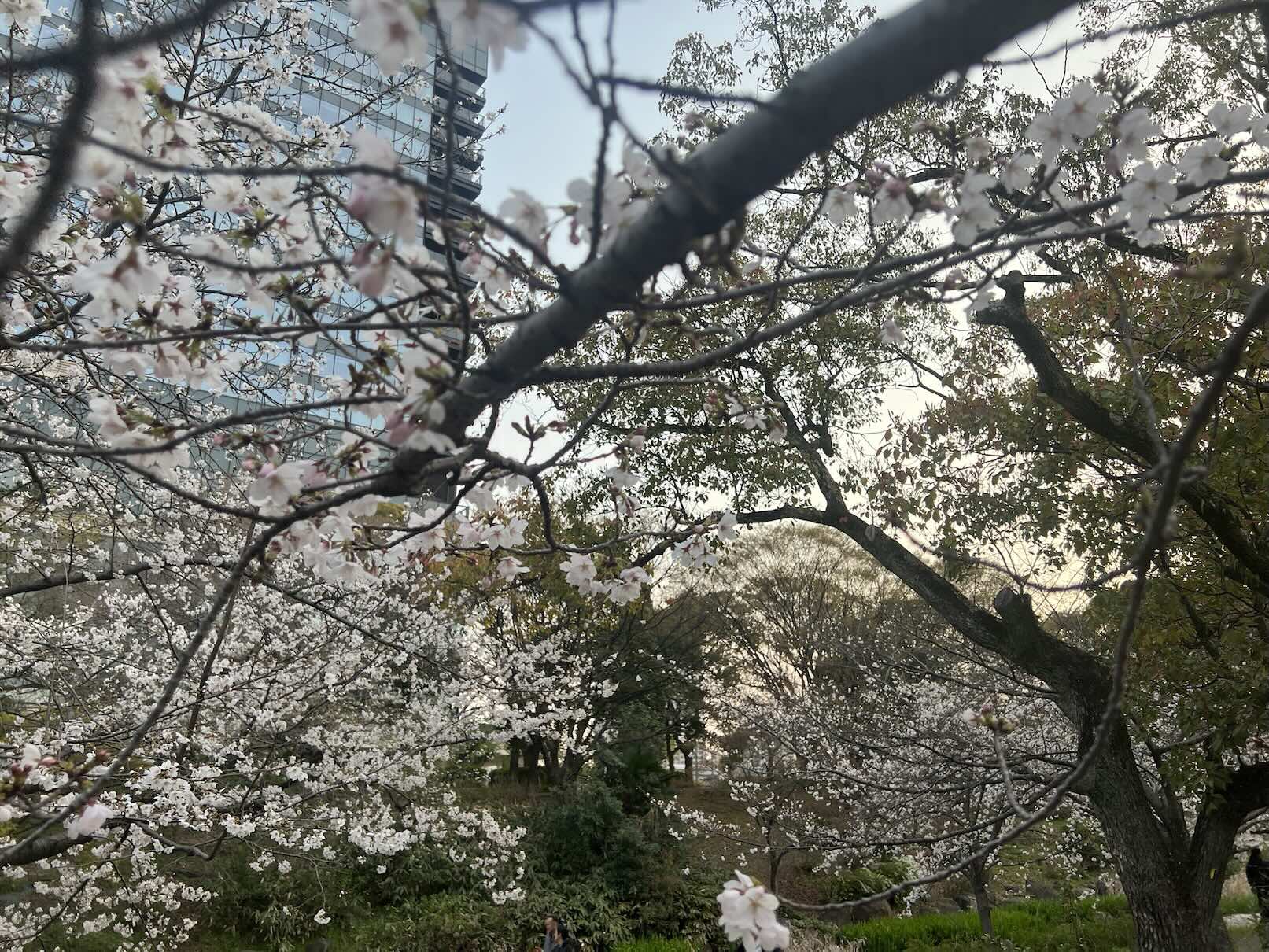
After this year's cherry blossom season, one thought keeps coming back. Kyoto made a climate archive by waiting for flowers.
Twelve hundred years. People watched cherry trees and wrote down when the season reached its fullest point. Record begins 812 CE. Continues through 2026. Source is plain and human: court diaries, chronicles, hanami records. Kept because the blossoms mattered.
Yasuyuki Aono and collaborators gathered and cleaned those observations. Our World in Data traces it to historical diaries and chronicles. Underlying archive hosted by NOAA NCEI Paleoclimatology.
Looking at it this way, the archive feels less like an instrument someone designed. More like one a culture slowly built by paying attention.
Latest update: 2026-04-16. Data downloaded: 2026-04-21. Source: Our World in Data using Yasuyuki Aono's Kyoto full-bloom record. Original archive: NOAA NCEI Paleoclimatology.
The 30-year average is calculated when there are at least ten years with data in the 30-year window before the specified year.
What I notice first
For over a millennium, blossoms mostly reach peak in mid-April. Pre-1900 average is day 105, close to April 15. Variation year to year as there should be in any living season. But the long shape of the record is steady.
Recent 30-year average: day 94.2. April 4.
2026 observation: day 88. March 29.
Hard to pass over that distance. 2026 bloom came seventeen days earlier than pre-1900 baseline. Six days earlier than the already-shifted modern average. Not alone either. Three of the eight earliest peak seasons in twelve centuries are 2021, 2023, 2026. Earliest peak bloom in the archive is 2023. Day 84.
Cluster of record-breaking springs at the end of a 1,200-year record. Accelerating trend.
Not loud evidence. Long record, quietly changing shape.
Why I trust this record
Most ancient climate data comes through proxies. Tree rings, ice cores, lake sediments, isotope ratios. Value those tools but they ask for translation. Looking at biological or chemical traces, then inferring what climate must have been.
Kyoto's record is different. Begins with direct observation.
Someone saw Prunus Jamasakura, the mountain cherry, reach full bloom. Wrote it down. Across centuries, other people did the same. The moment mattered to them.
Don't need the record to be perfect for it to be important. Some years missing. Historical sources require interpretation. Archive has gaps. Still, continuity is remarkable. Cultural importance kept people watching. Place stayed stable enough for comparison. Biological marker - bloom timing - finely sensitive to temperature. Record long enough that modern extremes can't hide inside ordinary variation.
Met Office attribution work gives the shift a number. Human-driven climate change combined with urban warming moved Kyoto's bloom date forward approximately eleven days compared to a world without those influences.
I read the blossom date as a phenological marker. One of the clearer ways changing climate enters the rhythm of ordinary life.
How I read the shift
Use the chart two ways. "Bloom date" view shows each year's peak alongside moving 30-year average. "Deviation" view shows how far each year strays from local 30-year norm.
Second view matters because the norm itself has moved.
Against older archive, bloom on day 88 would be startling outlier. Against today's 30-year baseline, still very early. Baseline already shifted. Newest observations still pressing beyond it. Acceleration of the trend. Curious to see next few years.
Data source
Full dataset: kyoto-blossom-data-package.zip.
Primary source: Our World in Data Grapher, built from Yasuyuki Aono's "Cherry Blossom Full Bloom Dates in Kyoto, Japan" archive at NOAA NCEI Paleoclimatology. Public blog assets include CSV and metadata JSON in public/blog/kyoto-blossoms. ZIP package includes original README, downloaded 2026-04-21.